
Basalt fiber, from source
Stone, drawn into fiber.
Tensile strength 3,000–4,840 MPa · Modulus 85–100 GPa
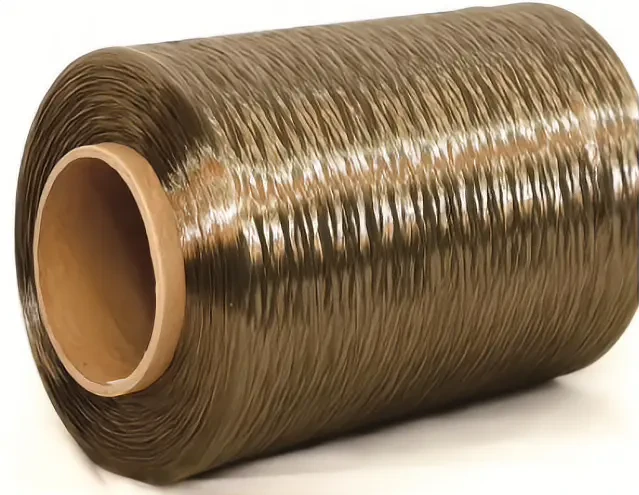
Stronger modulus than E-glass. A fraction of the carbon cost.
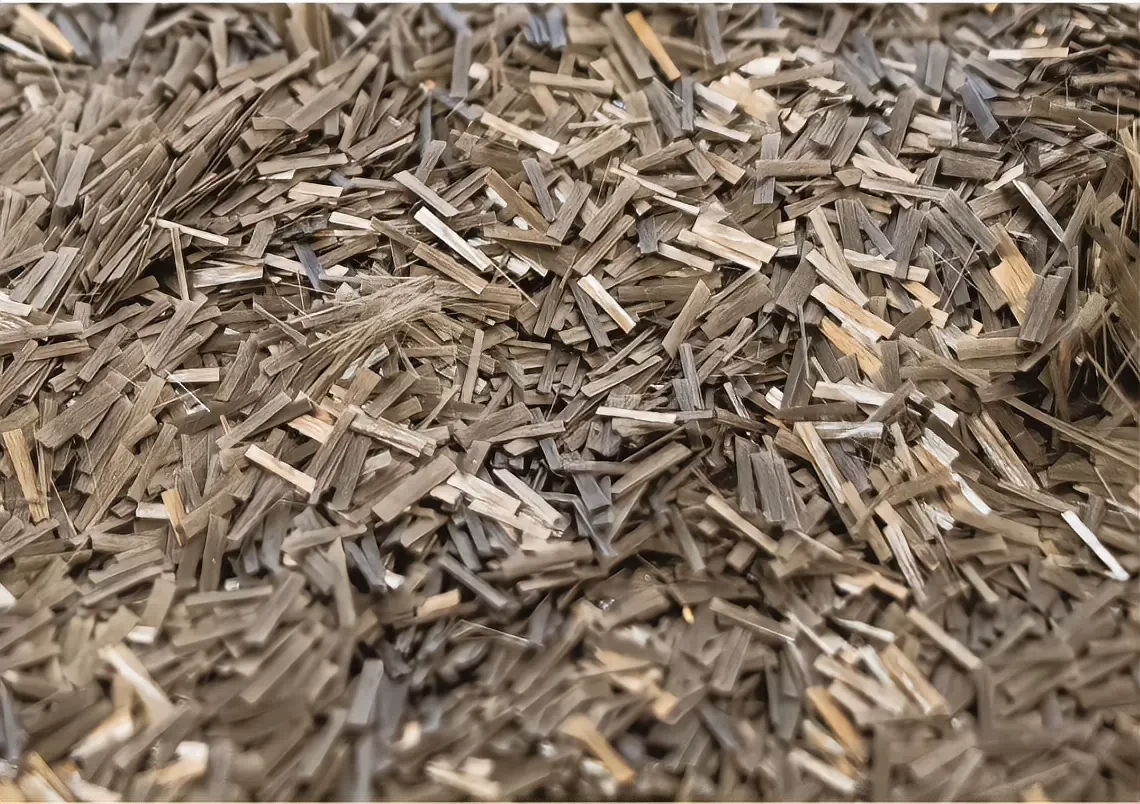
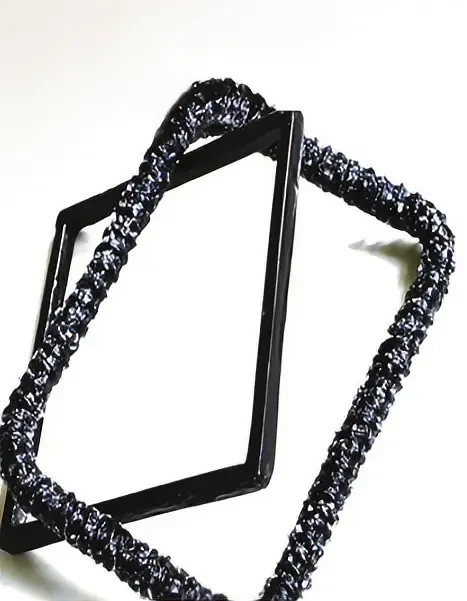
Four product forms
Start from the form you buy, then narrow to a code.

3,000–3,000MPa
Material-level typical value
85–85GPa
Material-level typical value
0–0℃
GB/T 25045-2010
2.6–2.6g/cm³
Material-level typical value
Why not E-glass? Why not carbon?
Seven criteria, four materials, one scale. Basalt is highlighted.
Health & safety
Fibre respirability and handling
Tensile strength
Material-level typical value
Elastic modulus
Material-level typical value
Electrical insulation
Dielectric behaviour
Alkali resistance
Strength retention in alkaline exposure
Heat resistance
Continuous service window
Cost efficiency
Indicative, depends on grade and volume
Bar length is a relative score on material-level typical values, not a tested guarantee.
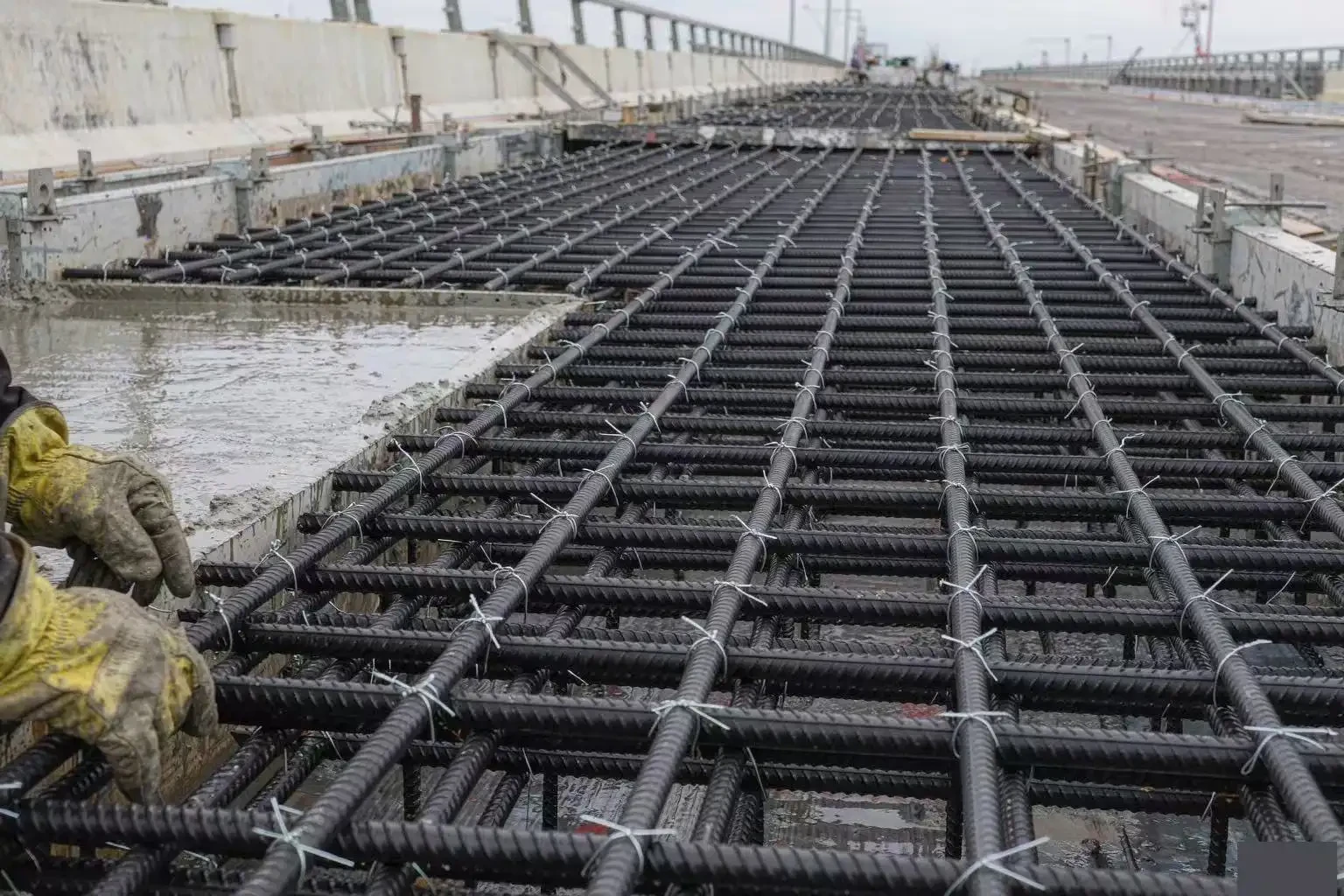
Where the fiber goes
Each scenario carries a recommended specification.
Swipe to browse
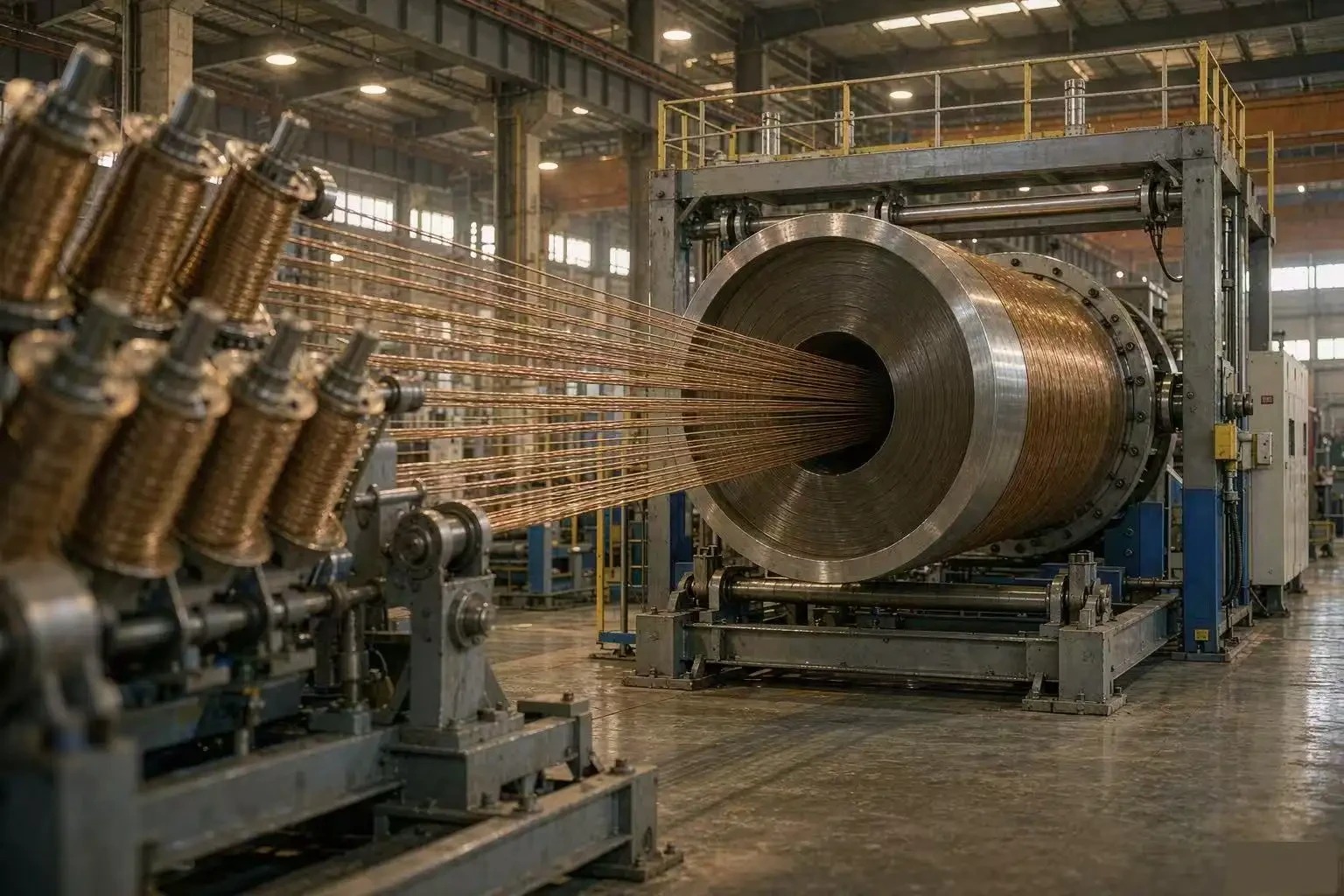
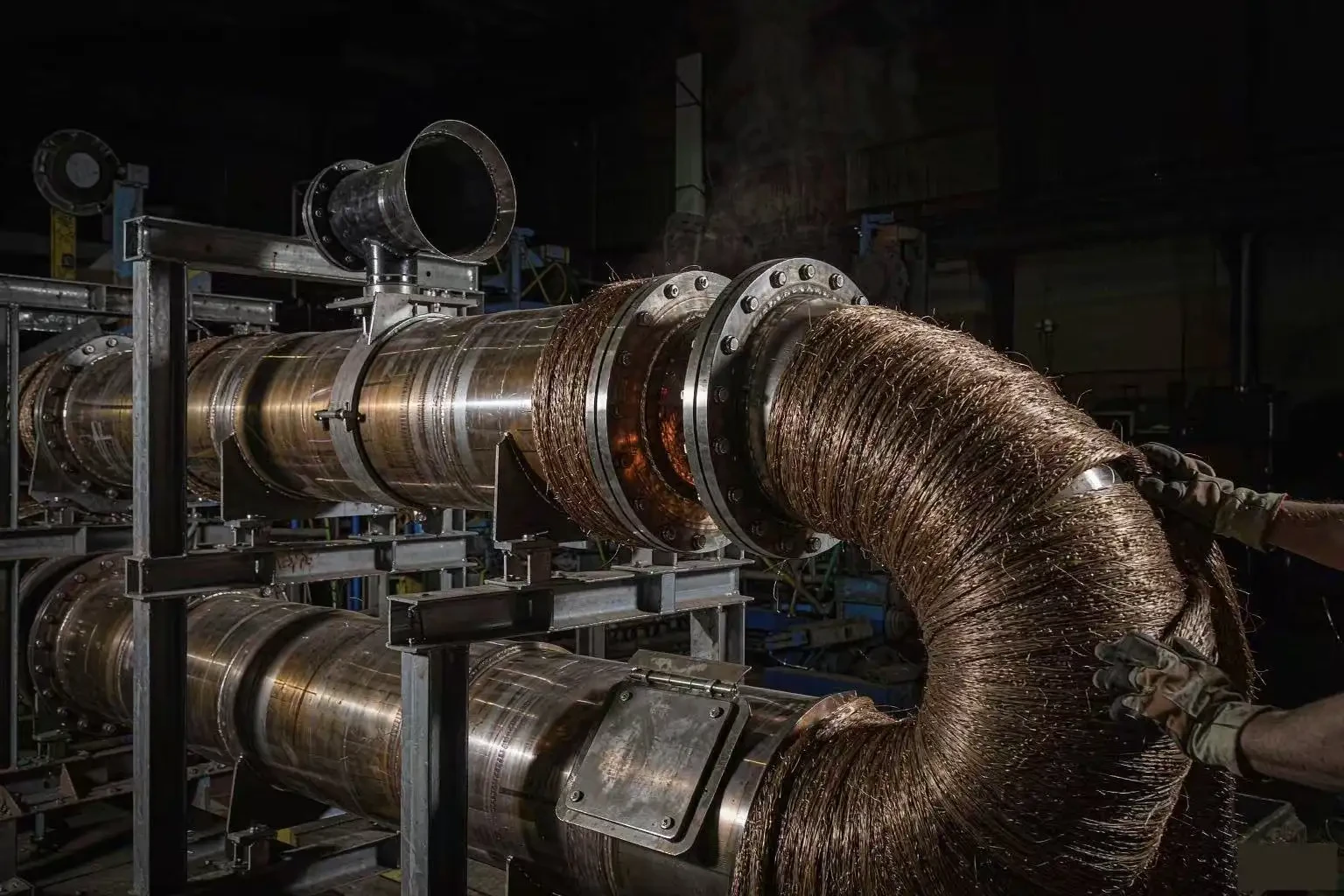
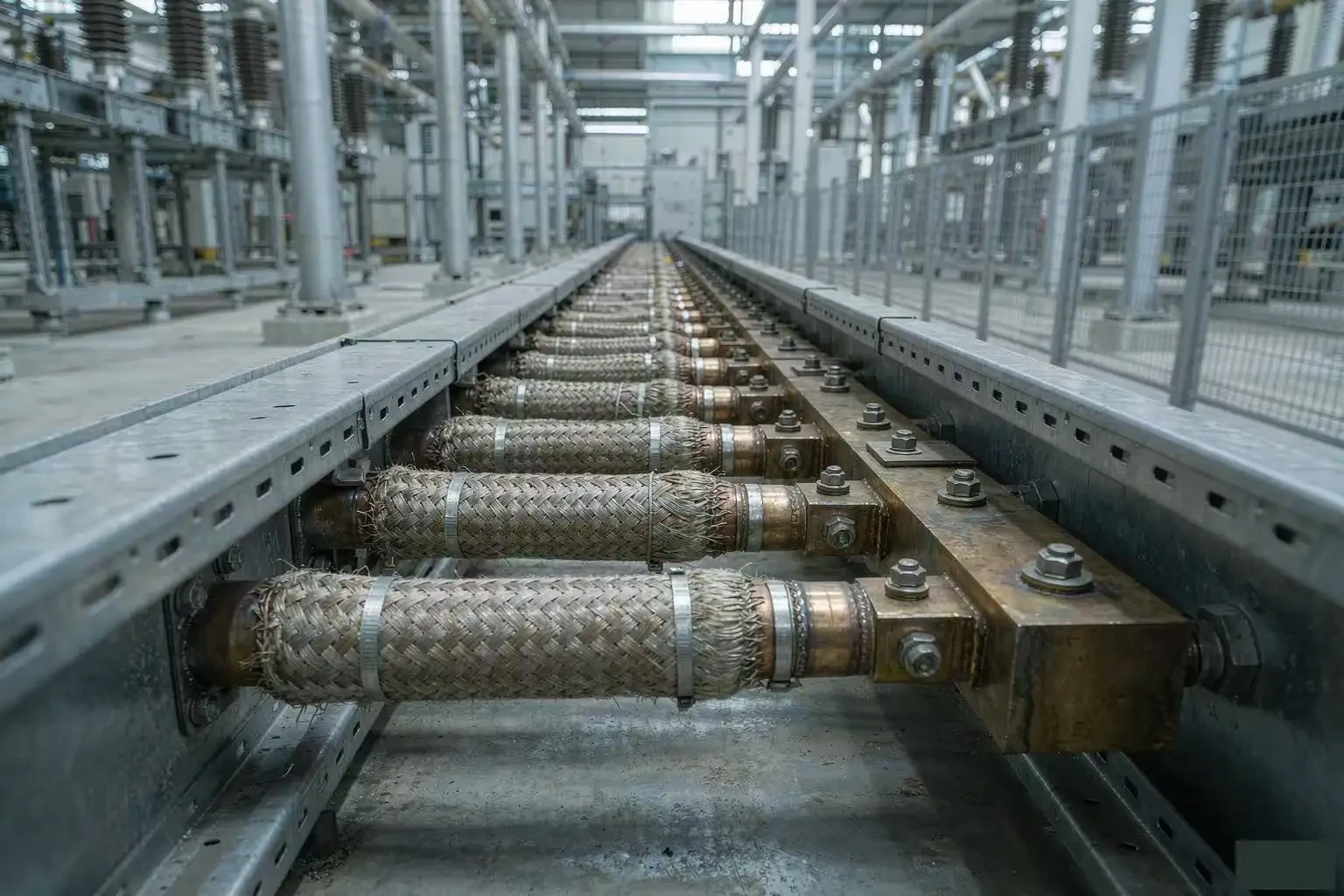
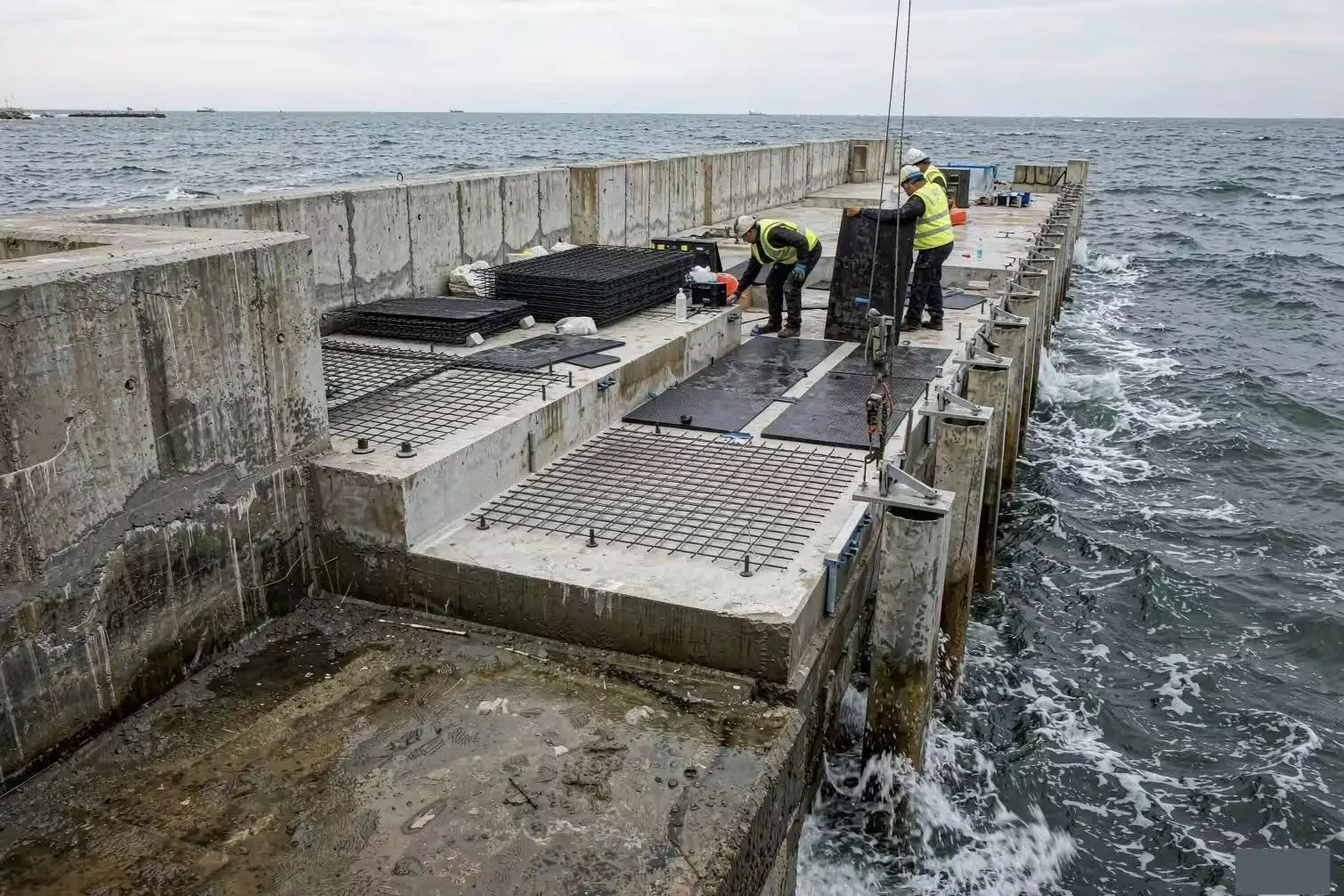
Standards we test against
In service, on site
Operating conditions, not showroom photography.



Specification coverage
All values below are production ranges. Narrow them in the selector.
Documents for technical review
Request a document and it is sent with the technical data sheet.
Before you ask
Help centreSample quantities are confirmed per product and specification, and trial bobbins or short rolls are available for qualification. MOQ is quoted together with the specification, because tex, width and roll length change the economical batch.
Standard grades are quoted with a stated lead time in working days from order confirmation. Shipping terms and packaging are agreed in the contract, and we confirm the loading plan before dispatch.
Basalt fiber has a higher typical modulus and a wider service temperature window, while E-glass remains a mature, lower-cost option for many general laminates. The right choice depends on stiffness demand, temperature and corrosion exposure.
Six sheets worth opening first
Every product page carries its own parameter table and standard list.